Tips for company registration Zero-Click Answer: For foreign decision-makers (CEOs, Founders, Procurement), tips for company…
Facility Management in Our Country: Essential Corporate Guide
Executive Summary: Facility Management Systems in Bangladesh
Managing commercial physical infrastructure efficiently has become vital for business growth across Bangladesh. Consequently, adopting a professional facility management system optimizes corporate real estate, reduces operational overhead by approximately 5%, and guarantees statutory workplace safety. Furthermore, offloading routine building maintenance enables executive leadership to focus entirely on core commercial expansion.
Important Aspects of Facility Management Services
Direct Answer / Operational Scope:
Specifically, a facility manager oversees building maintenance, employee safety, energy efficiency, and operational compliance to ensure long-term corporate sustainability.
Specifically, a facility manager oversees building maintenance, employee safety, energy efficiency, and operational compliance to ensure long-term corporate sustainability.
First, rapidly growing enterprises in Dhaka and Chittagong require structured facility management to maintain modern office spaces. For instance, businesses seeking complete administrative solutions can integrate our payroll processing solutions alongside facility management.
Second, international firms establishing regional operations in South Asia can partner with our PEO services in Bangladesh or utilize our Employer of Record (EOR) service in Bangladesh for full operational support.
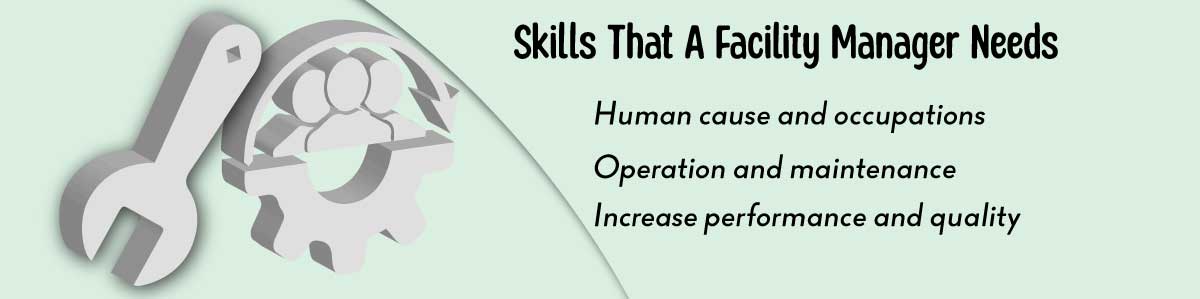
Figure 1: Facilities Management Services Ecosystem & Structure
Facility Management Taxonomy in Business Operations
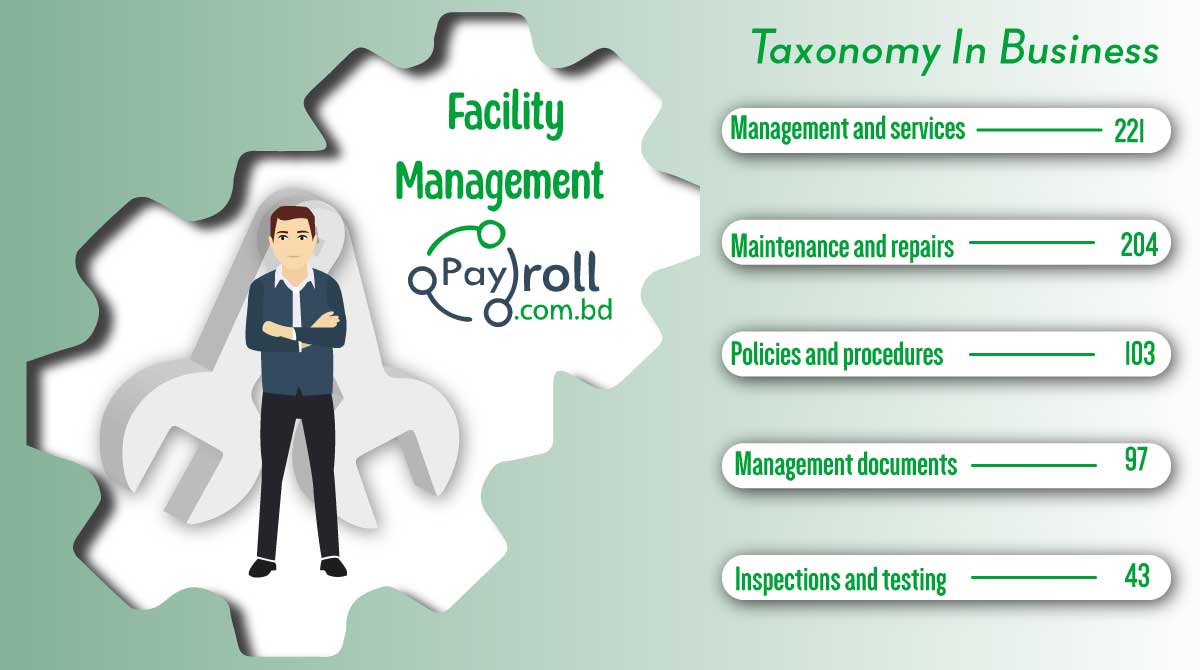
Categorizing facility management operations provides clear visibility across corporate asset functions. Specifically, the eight structured categories below outline the core taxonomy framework.
Core Taxonomy Categories
1. CORE SERVICES
Facilities Management & Services
Specifically, oversees general office amenities, space allocations, and routine operational support services.
2. REPAIR & MEP
Maintenance & Electrical Repairs
Furthermore, executes preventive HVAC servicing, generator maintenance, and plumbing repairs.
3. POLICY SOPS
Facility Policies & Operating Procedures
In addition, establishes standardized workplace protocols, SOPs, and employee safety guidelines.
4. LEGAL RECORDS
Facility Documentation & Compliance Records
Moreover, maintains equipment warranties, lease contracts, and statutory inspection logs.
5. SAFETY AUDIT
Facility Inspections & Safety Testing
Specifically, conducts fire alarm testing, elevator safety checks, and portable appliance audits.
6. SECURITY CONTROL
Safety & Access Security Management
Furthermore, manages CCTV surveillance systems, biometric access controls, and security personnel.
7. BILLING RATES
Facility Billing & Service Rates
In addition, reconciles utility bills, vendor invoices, and maintenance contractor rates.
8. GREEN ENERGY
Sustainability & Environmental Management
Therefore, monitors energy conservation programs, waste recycling, and green initiative implementations.
Core Facilities Provided by Organizations & Businesses
Organizations provide comprehensive facility structures to protect corporate assets and support employees. Specifically, the four key pillars below detail these corporate services.
Business Support Pillars
Facility & Staff Risk Management
Specifically, facility managers monitor potential physical hazards, implementing proactive safety measures to protect employees from operational risks.
Employee Productivity & Advantage Support
Furthermore, providing functional amenities and comfortable workspaces boosts employee morale, driving business profitability.
Sustainable Long-Term Cost Management
In addition, structured facility management reduces overhead expenses by up to 5%, unlocking sustainable funds for strategic growth.
Workplace Security & Asset Protection
Moreover, securing physical infrastructure through access controls and CCTV ensures a safe, compliant work environment.
6 Essential Skills for Professional Facility Managers
Managing modern commercial facilities requires a diverse technical and interpersonal skill set. Specifically, professional facility managers must master the six core competencies below.
Core Competency Pillars
ERGONOMICS 01
Human Factors & Workplace Ergonomics
Specifically, understanding human behavior and ergonomic workspace design to enhance staff comfort.
MEP SERVICE 02
Operations & MEP Maintenance Expertise
Furthermore, mastering technical HVAC, electrical generator, and plumbing system maintenance.
CAFM SYSTEM 03
Facility Information & Technology Management
In addition, utilizing CAFM software, smart building IoT sensors, and IT infrastructure tools.
GREEN AUDIT 04
Sustainability & Risk Management
Moreover, developing emergency response plans, disaster recovery protocols, and energy conservation.
QUALITY SLA 05
Performance & Quality Enhancement
Therefore, continuously auditing vendor SLAs, service quality metrics, and building standards.
LEADERSHIP 06
Cross-Departmental Communication
Equally important, communicating effectively with executive stakeholders, vendors, and staff.
How Facility Management Contributes to Employee Productivity
Facility management plays a pivotal role in influencing employee productivity. Specifically, maintaining comfortable, functional workspaces enhances job satisfaction and operational output.
- Safe & Comfortable Environment: Ensuring proper lighting, HVAC ventilation, and ergonomic seating eliminates physical discomfort.
- Managed Resources & Amenities: Well-stocked pantries, clean restrooms, and functional break rooms help staff feel valued.
- Minimizing Operational Downtime: Rapid equipment repairs prevent work interruptions and costly delays.
- Optimized Space Planning: Arranging quiet focus zones and collaborative team areas streamlines workflow communication.
- Positive Corporate Culture: Investing in infrastructure sends a clear message regarding executive commitment to employee well-being.
Verification and Selection Process of Facility Management System
Evaluating facility management systems requires structured category auditing. Specifically, the data table below outlines the core processes and detailed service components.
Facility Process Details Table
| Name of Facility Management Process | Details of Process Components |
|---|---|
| Building Operation & Maintenance |
|
| Support Services |
|
| Property Management |
|
| IT and Telecommunications |
|
| Environmental Management |
|
6 Risk Management Strategies in Facility Management
Identifying and controlling facility risks safeguards employees and corporate assets. Specifically, facility leaders must execute the six risk mitigation strategies below.
Risk Mitigation Pillars
1. RISK ASSESS
Comprehensive Risk Assessment
Specifically, evaluating potential physical risks like equipment failure or fires alongside operational and cyber threats.
2. PROTOCOLS
Establishing Standard Procedures & Protocols
Furthermore, formulating emergency response plans, health and safety SOPs, and security protocols.
3. INSPECTION
Regular Maintenance & Technical Inspections
In addition, conducting routine HVAC servicing, electrical panel checks, and safety audits before breakdowns occur.
4. DRILLS
Staff Training & Emergency Education
Moreover, training employees on emergency evacuation drills, fire safety, and correct equipment operation.
5. FIRE SYSTEM
Functional Safety Equipment & Fire Suppression
Therefore, testing fire extinguishers, sprinkler systems, smoke detectors, and CCTV cameras regularly.
6. INSURANCE
Insurance & Liability Protection
Equally important, maintaining comprehensive commercial insurance coverage for property damage and liability.
Optimizing Facility Solutions with Payroll.com.bd
First, business owners seeking comprehensive statutory rules can read our resource on must-know facts about payroll processing.
Resource Links & Service Comparisons
Second, corporate executives evaluating outsourced partners can review our analysis on what are the best payroll services to make an informed decision.
Frequently Asked Questions
Common Facility Management Questions
What is facility management in corporate operations?
Specifically, facility management integrates people, place, process, and technology to maintain physical corporate infrastructure, hard MEP engineering, and soft janitorial support services.
What are the key verification processes in facility management?
Furthermore, core processes include Building Operation & Maintenance, Support Services, Property Management, IT & Telecommunications, and Environmental Management.
What are the primary risk management strategies in facility management?
In addition, essential strategies include Risk Assessment, Establishing Procedures & Protocols, Regular Maintenance & Inspections, Training & Education, Safety Equipment, and Insurance Coverage.
How does facility management impact employee productivity?
Moreover, maintaining ergonomic, well-lit, and properly ventilated workspaces prevents operational downtime, boosts morale, and increases overall workforce output.
Related Posts