Direct Answer: For CEOs and Founders seeking to optimize offshore HR services for foreign companies,…
Implementing Effective Performance Management Systems Corporate HR Guide
Executive Summary: Implementing Effective Performance Management Systems
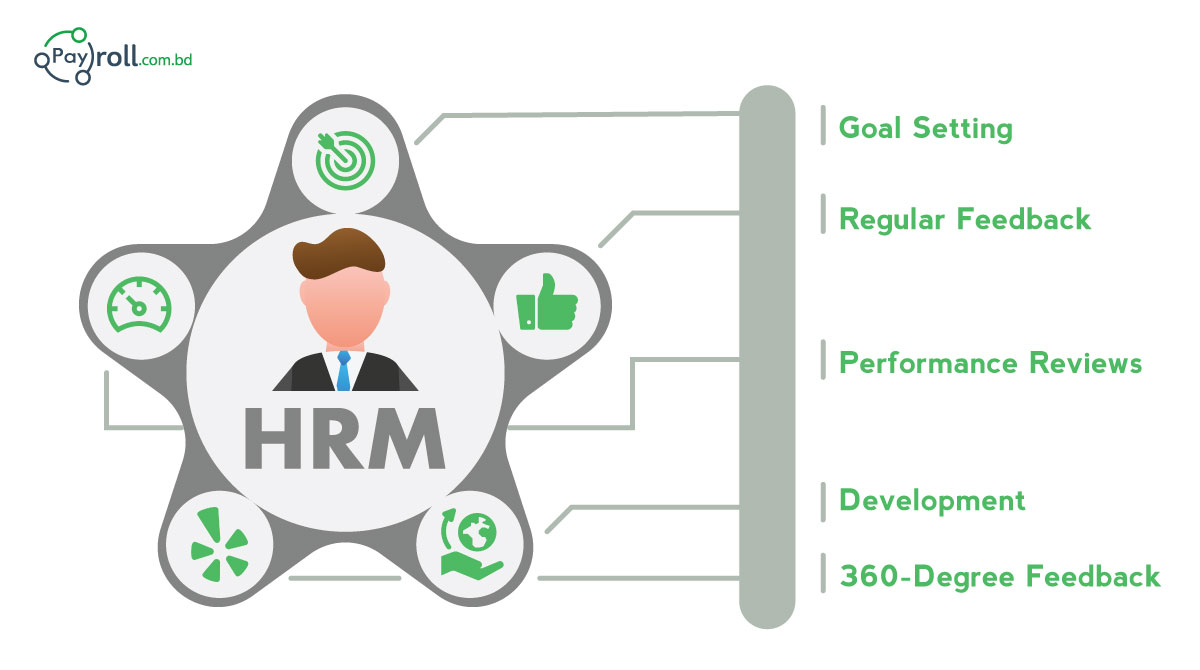
Implementing an effective performance management system enables corporate organizations to align individual employee goals with strategic business objectives. Specifically, modern HR teams replace rigid annual appraisals with continuous 360-degree feedback, clear Key Performance Indicators (KPIs), and automated HRIS evaluation tools. Furthermore, tying performance metrics directly to payroll processing ensures objective, merit-based compensation and drives high workforce productivity.
Navigating Implementing Effective Performance Management Systems
Direct Answer / HR Performance Benchmark:
Specifically, implementing an effective performance management system requires establishing measurable SMART goals, conducting real-time manager coaching, executing 360-degree peer evaluations, and integrating performance ratings with automated salary administration.
Specifically, implementing an effective performance management system requires establishing measurable SMART goals, conducting real-time manager coaching, executing 360-degree peer evaluations, and integrating performance ratings with automated salary administration.
First, rapidly growing enterprises across Dhaka require structured human resource workflows. For instance, businesses seeking complete administrative reliability can explore our payroll processing solutions to link performance bonus disbursements with monthly salary runs.
Second, international corporations expanding local operations can partner with our PEO services in Bangladesh or leverage our Employer of Record (EOR) service in Bangladesh for full statutory labor law compliance.
5 Essential Pillars of Modern Performance Management Systems
Building a high-performing workforce framework requires establishing five core operational pillars. Specifically, the five structured cards below detail these vital responsibilities.
Performance System Pillars
GOAL ALIGNMENT 01
SMART Goal & OKR Alignment
Specifically, establishing Specific, Measurable, Achievable, Relevant, and Time-bound performance targets across all departments.
FEEDBACK COACHING 02
Continuous 360 Feedback & Manager Coaching
Furthermore, replacing annual reviews with monthly 1-on-1 coaching sessions and peer 360-degree feedback loops.
KPI TRACKING 03
KPI Performance Metric Tracking & Analytics
In addition, tracking quantifiable Key Performance Indicators (KPIs) to evaluate employee output objectively.
MERIT REWARDS 04
Merit-Based Compensation & Bonus Alignment
Moreover, rewarding top performers with transparent salary increments, performance bonuses, and career promotions.
HRIS AUTOMATION 05
HRIS Performance Software Automation
Therefore, deploying cloud HR software to automate rating submissions, review scheduling, and performance reports.
Key Performance Governance Metrics & Risk Management
Establishing robust performance governance metrics protects corporate organizations against evaluation bias, employee dissatisfaction, and unaligned compensation models. Specifically, HR leaders implement three essential performance controls.
Performance Control Indicators
First, evaluation bias mitigation ensures fair rating distribution across all business units. For instance, calibration sessions among department heads prevent manager leniency or harshness in scoring staff.
Second, continuous feedback completion tracking guarantees regular 1-on-1 coaching cadence. Furthermore, monitoring manager check-in completion rates ensures team members receive timely guidance and performance support.
Third, merit compensation alignment verifies that high performance scores correlate directly with financial rewards. Consequently, linking rating data to automated payroll software prevents manual error in bonus distribution.
5-Step Performance Management Implementation Roadmap
Implementing an effective performance management system requires a structured corporate roadmap. Specifically, HR executives should follow the five steps below.
Implementation Roadmap
GOAL AUDIT 01
Audit Organizational Goals & Define Role KPIs
Specifically, mapping corporate strategic priorities to individual job descriptions and department key results.
RATING CONFIG 02
Configure Rating Scales & Review Schedules
Furthermore, establishing standardized 5-point rating scales, self-appraisal forms, and quarterly review cadences.
MANAGER TRAINING 03
Train Managers on Constructive Feedback & Bias
In addition, conducting leadership workshops on effective coaching, goal setting, and objective performance scoring.
MID YEAR COACHING 04
Execute Mid-Year Reviews & Real-Time Course Correction
Moreover, reviewing progress at mid-year to recalibrate goals and support underperforming staff proactively.
YEAR END EVALUATION 05
Conduct Year-End Evaluations & Salary Bonus Linkage
Therefore, finalizing annual ratings, conducting calibration sessions, and processing merit bonuses in payroll.
Best Practices for Performance Management Execution
Optimizing employee engagement through performance management requires continuous refine of HR practices. Specifically, organizational leaders adopt three critical execution guidelines.
Operational Execution Best Practices
First, fostering a culture of continuous recognition reinforces positive workplace behaviors. For instance, highlighting team accomplishments during monthly staff meetings boosts morale and team cohesion.
Second, separating development conversations from compensation discussions improves review quality. Furthermore, allowing employees to discuss skill growth without salary pressure encourages honest self-reflection.
Third, utilizing self-service HR software empowers workers to track personal progress independently. Consequently, real-time KPI dashboards increase accountability and keep teams aligned with company targets.
Traditional Annual Appraisal vs. Continuous Performance Management System Matrix
Comparing traditional annual appraisals against continuous performance management highlights clear operational advantages. Specifically, the data table below contrasts key HR metrics.
Performance Model Matrix
| Performance Dimension | Traditional Annual Appraisal Model | Continuous Performance Management System |
|---|---|---|
| Feedback Frequency & Cadence | Specifically, once-a-year backward-looking review. | Real-time monthly coaching & 360 feedback. |
| Goal Flexibility & Alignment | Furthermore, static goals established 12 months prior. | Dynamic quarterly OKR & KPI recalibration. |
| Evaluation Objectivity & Bias | In addition, subjective manager memory & recency bias. | Data-driven KPI analytics & calibration reviews. |
| Compensation & Payroll Integration | Moreover, manual spreadsheet calculations & delays. | Automated link to salary increases & bonuses. |
5 Key Benefits of Effective Performance Management Systems
Implementing an effective performance management system yields significant corporate benefits. Specifically, the five cards below detail these key advantages.
Performance Benefits
PRODUCTIVITY BOOST 01
40% Boost in Overall Workforce Productivity
Specifically, aligning individual daily efforts with overarching corporate targets to drive business output.
TALENT RETENTION 02
Reduced Employee Turnover & Higher Retention
Furthermore, fostering employee career growth and recognition to retain top corporate talent long term.
DATA DECISIONS 03
Data-Driven Promotion & Salary Decisions
In addition, replacing subjective manager opinions with objective KPI data for fair promotion decisions.
GOAL TRANSPARENCY 04
Transparent Corporate Goal Alignment
Moreover, ensuring every team member clearly understands their role contribution toward company milestones.
PAYROLL INTEGRATION 05
Seamless HR Payroll & Bonus Integration
Therefore, transferring performance score data automatically to payroll systems for zero-error bonus calculation.
Optimizing HR Solutions with Payroll.com.bd
First, company leaders seeking complete statutory rules can read our resource on must-know facts about payroll processing.
Resource Links & Service Comparisons
Second, corporate executives evaluating payroll management options can review our detailed analysis on what are the best payroll services to make an optimal choice.
Frequently Asked Questions
Common Performance Management Questions
How does HR implement an effective performance management system?
Specifically, HR teams implement effective performance management systems by aligning organizational goals with SMART KPIs, establishing 360 feedback loops, conducting quarterly check-ins, and automating HRIS evaluation workflows.
Why is continuous performance feedback better than annual appraisals?
Furthermore, continuous performance feedback resolves operational bottlenecks in real time, boosts employee engagement, and eliminates surprise annual performance ratings.
How does performance management integrate with payroll and bonuses?
In addition, linking performance evaluation scores directly to automated payroll processing guarantees fair merit-based salary increases and bonus disbursements.
What role do Key Performance Indicators play in employee reviews?
Moreover, objective KPIs establish measurable performance targets, eliminate evaluation bias, and provide clear benchmarks for career advancement.
Related Posts