If we review the current business landscape in 2026, we see that finding the best…
How Your Business Can Grow With Payroll Outsourcing
Managing finances is the backbone of any company, but as you scale, administrative burdens can stifle innovation. Payroll Outsourcing has evolved from a simple administrative convenience to a strategic growth lever. By 2025, successful organizations are no longer just cutting costs; they are leveraging third-party expertise to access advanced analytics, global talent pools, and airtight compliance. This guide explores how shifting payroll responsibilities can unlock significant business growth.
Key Takeaways
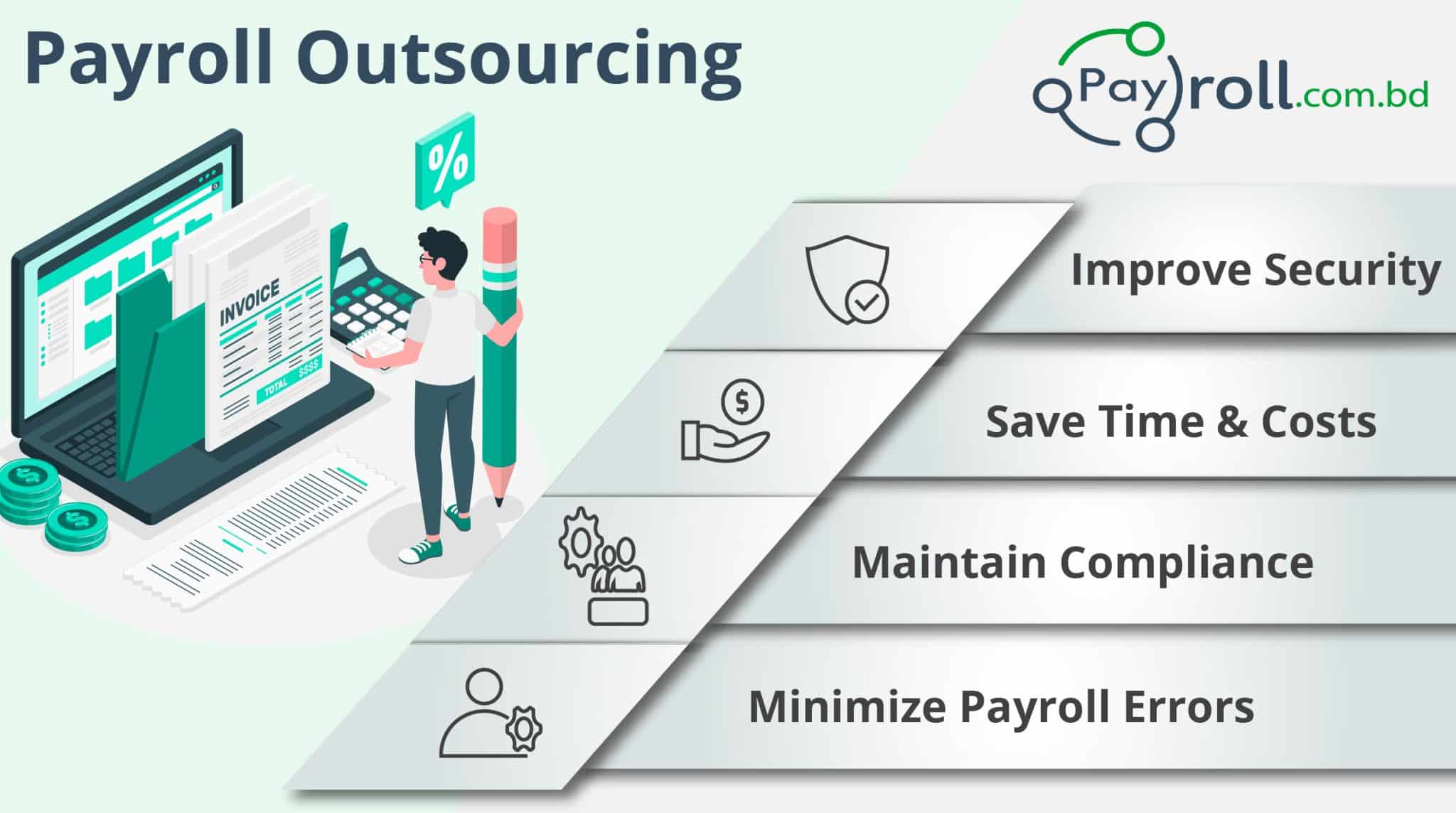
- Cost Efficiency: Outsourcing payroll can reduce processing costs by approximately 20%, eliminating the need for expensive in-house software and specialized staff.
- Risk Mitigation: Professional providers ensure compliance with constantly changing tax laws (like the IRS or GDPR), protecting you from costly penalties.
- Strategic Focus: Freeing up internal resources allows leadership to focus on core revenue-generating activities rather than administrative tasks.
- Global Scalability: Modern Employer of Record (EOR) services allow businesses to hire and pay talent internationally without setting up local entities.
What Is Payroll Outsourcing?
Payroll Outsourcing is the business practice of hiring an external service provider to handle all administrative and compliance functions related to employee compensation. This includes calculating wages, withholding taxes, managing direct deposits, filing government reports, and ensuring adherence to labor laws.
Note: Modern outsourcing goes beyond writing checks. It often integrates with Human Capital Management (HCM) systems to provide data insights on labor costs and productivity.
How Does Payroll Outsourcing Drive Business Growth?
Outsourcing is not just about offloading work; it is about reclaiming the resources necessary to scale. Here is how it directly impacts growth.
1. Reduces Operational Costs
Maintaining an in-house payroll department is expensive. You pay for salaries, benefits, training, and software licenses. Payroll Service Providers operate on economies of scale, allowing them to offer enterprise-level technology at a fraction of the cost.
- Fact: According to industry analysis by PwC and Deloitte, companies can often save between 18% and 20% on administrative costs by outsourcing finance functions.
2. Ensures Compliance and Reduces Risk
Tax regulations are complex and change frequently. For example, the Internal Revenue Service (IRS) estimates that huge numbers of small businesses pay penalties every year for incorrect filings. Outsourcing firms assume the liability for tax accuracy, shielding your business from fines and legal headaches.
3. Frees Up Time for Core Competencies
Every hour spent calculating overtime or fixing data entry errors is an hour not spent on product development or customer acquisition. By automating this back-office function, you allow your HR and finance teams to focus on strategy and culture.
Comparison: In-House vs. Outsourced Payroll
| Feature | In-House Payroll | Outsourced Payroll |
| Cost Structure | High fixed costs (salaries, software) | Variable costs (pay per employee) |
| Compliance Risk | High (Internal responsibility) | Low (Provider responsibility) |
| Technology | Requires regular paid upgrades | Always latest version included |
| Data Security | Dependent on internal IT security | Enterprise-grade encryption |
Why Is Data Security Critical in Payroll Outsourcing?
Data security is the paramount concern when handling sensitive employee information like social security numbers and bank details.
Reputable payroll providers utilize Cloud Computing and advanced encryption standards that far exceed what the average small-to-mid-sized business can afford. They invest heavily in cybersecurity to prevent data breaches and identity theft. When you outsource, you are upgrading your security posture, which builds trust with your employees.
What Are the Future Trends in Payroll Outsourcing?
To future-proof your business, you must look at where the industry is heading.
AI and Automation
Artificial Intelligence (AI) is revolutionizing payroll by predicting cash flow needs and flagging anomalies (potential errors or fraud) before they happen. Generative AI is also being used to answer employee queries about pay slips instantly via chatbots.
Global Payroll and EOR
As remote work becomes the norm, businesses are hiring globally. Employer of Record (EOR) services handle the legal complexities of paying staff in different countries. This allows you to tap into a global talent market without the massive expense of establishing a legal entity in every country where you have an employee.
How to Choose the Right Payroll Provider?
Selecting the right partner is critical for a smooth transition. Follow these steps to ensure you choose a provider that aligns with your growth goals.
- Assess Your Needs: Determine if you need simple payment processing or full HR integration (benefits, time tracking).
- Check Integration: Ensure the provider’s software integrates with your existing accounting software (e.g., QuickBooks, Xero).
- Verify Security: Ask for their SOC 2 compliance reports to ensure they meet data security standards.
- Review Support: Look for providers that offer 24/7 support, as payroll issues often require immediate resolution.
Frequently Asked Questions (FAQ)
Is payroll outsourcing safe for small businesses?
Yes, payroll outsourcing is generally safer than in-house management for small businesses. Top-tier providers use enterprise-grade encryption and redundancy backups that most small businesses cannot afford to implement on their own.
How much does payroll outsourcing cost?
The cost typically follows a subscription model: a base monthly fee plus a small fee per employee per month. While prices vary, this model usually proves cheaper than the salary of a full-time in-house payroll specialist.
Will I lose control over my payroll data?
No, you will not lose control. Modern Cloud-based platforms give you real-time access to all your data, reports, and analytics dashboards. You retain oversight while the provider handles the manual processing.
Can payroll providers handle international employees?
Yes, many providers now offer Global Payroll or EOR services. They manage currency conversion, local tax withholding, and compliance with local labor laws, making international expansion seamless.
Related Posts