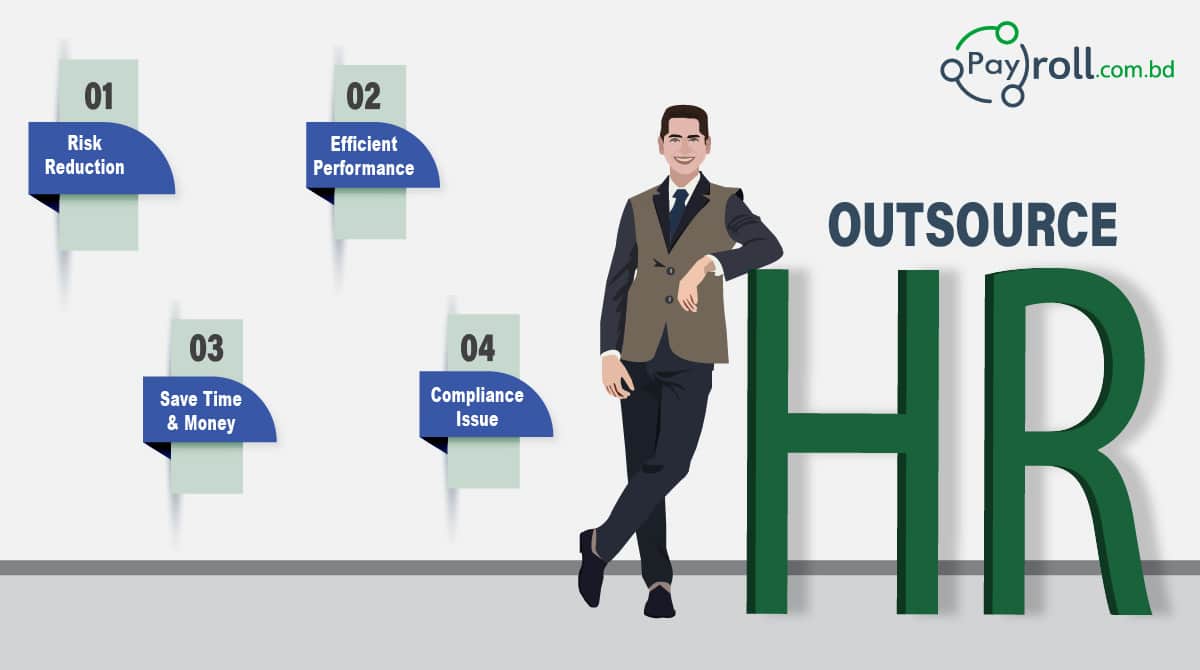
Direct Answer: For CEOs and Founders seeking to optimize offshore HR services for foreign companies,…
Optimizing Workforce Performance Through Human Resource Management
Executive Summary: Strategic HRM Performance Optimization
Optimizing workforce performance management is a fundamental priority for expanding corporate enterprises. Specifically, replacing subjective annual reviews with continuous feedback frameworks aligns daily employee activities with overarching business objectives. Furthermore, integrating compliant HR processes ensures full adherence to the Bangladesh Labor Act 2006, mitigates legal dispute risks, and fosters a high-performance organizational culture that retains top industry talent.
Navigating Enterprise Performance Management Systems
Direct Answer / Performance Standard:
Specifically, modern HRM performance management optimizes workforce output by establishing continuous feedback loops, objective KPI metrics, and compliant administrative processes.
Specifically, modern HRM performance management optimizes workforce output by establishing continuous feedback loops, objective KPI metrics, and compliant administrative processes.
First, rapidly growing corporate enterprises across Dhaka require streamlined administrative systems. For instance, organizations seeking integrated salary management tools can explore our payroll processing solutions to automate monthly compensation cycles and statutory tax filings efficiently.
Second, international corporations establishing local operational footprints can partner with our PEO services in Bangladesh or leverage our Employer of Record (EOR) service in Bangladesh for complete statutory protection and risk management.
Third, co-employment frameworks allow corporate leaders to maintain full strategic direction over daily team activities. Consequently, businesses enjoy complete administrative relief while fostering a supportive workplace culture.
Fourth, managing internal HR functions without dedicated infrastructure consumes valuable executive bandwidth. In addition, navigating complex tax withholdings and labor regulations creates unnecessary financial exposure for small and medium enterprises.
Fifth, partnering with a specialized PEO provider transfers routine administrative burdens to experienced professionals. Ultimately, companies accelerate market entry while maintaining sustainable competitive advantages.
5 Core Performance Management Pillars
Establishing a resilient performance management architecture relies on five essential operational pillars. Specifically, the structured cards below outline these core principles.
Performance Pillars
CONTINUOUS REVIEWS 01
Continuous Evaluation Frameworks
Specifically, replacing annual reviews with real-time feedback cycles to address performance bottlenecks instantly.
GOAL ALIGNMENT 02
Strategic Goal Alignment
Furthermore, mapping individual key performance indicators directly to overarching corporate growth targets.
LABOR LAWS 03
Bangladesh Labor Act 2006 Compliance
In addition, documenting evaluation records to satisfy statutory requirements under local labor law.
KPI DASHBOARDS 04
Data-Driven KPI Analytics
Moreover, utilizing cloud-based dashboards to eliminate bias and measure objective output metrics.
TALENT SCALING 05
Scalable Talent Development
Therefore, identifying high-performing personnel early to cultivate future executive leadership.
Evaluating Practical Execution Factors in Performance Management
Executing an effective performance management strategy requires evaluating both technical software capabilities and manager training frameworks. Specifically, addressing execution factors prevents evaluation friction.
Execution Factors
First, establishing transparent evaluation criteria ensures employees understand expectations from day one. For instance, clear job descriptions prevent role ambiguity.
Second, centralizing performance data within secure cloud HRIS portals guarantees instant audit readiness. Furthermore, role-based security settings protect confidential appraisal reports.
Third, adopting standardized employee review templates ensures objective evaluations across all corporate divisions. Consequently, organizations maintain fair promotion pathways.
Fourth, outsourcing routine administrative tasks to specialized PEO partners reduces internal HR overhead. Ultimately, executive bandwidth is redirected toward strategic business development.
Fifth, conducting periodic feedback sessions allows managers to resolve performance bottlenecks promptly. As a result, team productivity increases significantly.
Sixth, integrating employee self-service portals empowers staff members to track their personal goal progression independently. In fact, self-service tools boost employee engagement.
Seventh, reviewing performance documentation regularly guarantees complete alignment with local statutory regulations. Therefore, companies prevent legal disputes during employee separations.
Eighth, utilizing real-time performance analytics dashboards provides business leaders with clear visibility into department productivity trends.
Ninth, conducting executive coaching sessions ensures managers deliver constructive feedback effectively across diverse teams.
Tenth, combining performance management with comprehensive payroll outsourcing creates a resilient administrative ecosystem that supports sustainable corporate growth.
Eleventh, implementing automated milestone notifications keeps both managers and staff aligned on upcoming review deadlines effortlessly.
Twelfth, maintaining confidential digital feedback archives safeguards historical evaluation data for future promotional planning.
5 Critical Implementation Barriers for Performance Management
Overcoming common performance management challenges requires identifying administrative barriers early. Specifically, the cards below outline five critical execution hurdles.
Implementation Barriers
SUBJECTIVE BIAS 01
Subjective Manager Evaluation Biases
Specifically, risking employee dissatisfaction due to unstandardized, subjective review criteria.
INFREQUENT FEEDBACK 02
Infrequent Feedback Cycles
Furthermore, relying solely on outdated annual reviews that fail to correct ongoing operational errors.
UNCLEAR EXPECTATIONS 03
Unclear Job Description Metrics
In addition, failing to communicate explicit performance targets to employees during onboarding.
OUTDATED SOFTWARE 04
Outdated Paper-Based Software Systems
Moreover, suffering administrative delays caused by manual spreadsheet tracking methods.
TRAINING DEFICIT 05
Inadequate Management Evaluation Training
Therefore, failing to equip internal managers with effective coaching techniques.
Traditional Performance Reviews vs. Modern Continuous Management Matrix
Comparing traditional annual performance reviews against a modern continuous management framework highlights key operational differences. Specifically, the data table below contrasts essential parameters.
Management System Matrix
| Performance Evaluation Dimension | Traditional Annual Reviews | Modern Continuous Management Framework |
|---|---|---|
| Feedback Frequency | Specifically, once per year review cycle. | Real-time continuous feedback loops. |
| Evaluation Objectivity | Furthermore, high risk of manager bias. | Data-driven objective KPI tracking. |
| Administrative Overhead | In addition, heavy annual paperwork clutter. | Automated cloud HRIS tracking. |
| Employee Retention Impact | Moreover, high employee turnover risk. | High retention and employee engagement. |
Optimizing HR Solutions with Payroll.com.bd
First, company leaders seeking complete statutory rules can read our resource on must-know facts about payroll processing.
Resource Links & Service Comparisons
Second, corporate executives evaluating outsourcing options can review our detailed analysis on what are the best payroll services to make an optimal choice.
Third, partnering with dedicated PEO and EOR specialists ensures rapid market entry and complete legal compliance across all Bangladeshi business operations.
Fourth, relying on experienced HR managers guarantees seamless salary distribution and statutory labor compliance.
Fifth, utilizing tailored HR solutions empowers corporate leaders to scale enterprise operations efficiently. Ultimately, organizations build resilient administrative foundations.
Frequently Asked Questions
Common Executive Questions
How does human resource management improve workforce performance?
Specifically, HRM performance management aligns individual employee targets with strategic corporate goals, provides continuous feedback, and eliminates administrative evaluation friction.
What are the essential components of a modern performance evaluation system?
Furthermore, core components include continuous goal setting, objective KPI analytics, regular 360-degree feedback reviews, and transparent reward structures.
How does performance management protect companies under local labor regulations?
In addition, structured performance documentations guarantee total legal compliance under the Bangladesh Labor Act 2006, shielding enterprises against unfair dismissal claims.
Can outsourcing HR operations enhance employee performance tracking?
Moreover, partnering with specialized PEO and payroll providers grants access to cloud-based HRIS tools, ensuring real-time performance tracking without heavy internal IT overhead.
Related Posts